

Understanding TSCM (Technical Surveillance Countermeasures)
What is TSCM?
TSCM stands for Technical Surveillance Countermeasures. It refers to the systematic process of detecting, locating, and neutralizing covert eavesdropping devices. Such concealed devices are deployed to monitor targets and illegally obtain trade secrets, proprietary data, and other sensitive confidential information.
TSCM also covers Cyber TSCM (Cyber Technical Surveillance Countermeasures). Cyber TSCM specializes in identifying electronic surveillance activities by exploiting vulnerabilities in networks, connected devices, and various network environments, including Wi-Fi, Bluetooth, and cellular networks. Additionally, TSCM extends to the detection of hybrid technical surveillance devices that combine multiple surveillance technologies.
As a specialized counter-intelligence discipline, TSCM treats technical surveillance as a continuously evolving threat landscape. It requires ongoing assessment of emerging surveillance threats, continuous development of advanced detection capabilities, and the implementation of targeted countermeasures. Rather than being static and fixed, TSCM is a dynamic field that evolves constantly to adapt to new surveillance tactics.
Technical Surveillance Countermeasures serve as a core component of risk mitigation strategies. They effectively reduce the risk of data theft and asset loss caused by state-sponsored surveillance, critical infrastructure infiltration, economic espionage, industrial espionage, and electronic eavesdropping attacks originating from insider threats. It is critical to mitigate risks posed to critical infrastructure, protected classified information, intellectual property, trade secrets, proprietary data, and competitively sensitive business information. Furthermore, traditional TSCM and Cyber TSCM complement each other, forming a comprehensive defense system to address the full spectrum of technical surveillance threats required for robust risk reduction.
Eavesdropping Devices
Eavesdropping devices refer to equipment specifically or incidentally designed to acquire information in a covert manner, encompassing both network-connected and standalone audio and video surveillance tools. Common examples include wired eavesdroppers, battery-powered covert listening devices, hidden cameras, memory-based burst recording devices, and portable voice recorders.
In addition to dedicated surveillance equipment, everyday consumer devices such as AirTags and AirPods, which are not originally manufactured for covert surveillance, can be repurposed for eavesdropping activities and are therefore classified as potential surveillance tools in TSCM assessments. Experienced TSCM professionals are capable of identifying all types of technical surveillance threats, including both specialized spy gear and repurposed consumer devices.
What is Technical Surveillance?
Technical surveillance is the unauthorized practice of collecting target information by leveraging eavesdropping devices, network systems, technical tools, or existing security vulnerabilities. The collected data is primarily stored and transmitted in audio and/or video formats. In most cases, the targeted information holds significant economic value, national strategic value, or influential power, and its unauthorized acquisition may lead to substantial security hazards and operational damages.
TSCM Sweep
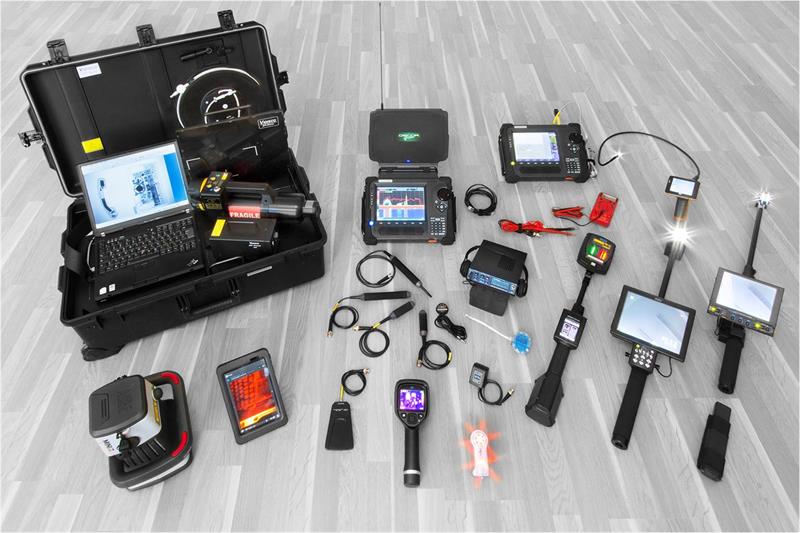
A TSCM sweep is a highly specialized technical security service performed by certified and experienced TSCM specialists using professional TSCM detection equipment. Designed to identify all potential technical surveillance threats, a complete TSCM sweep integrates three core inspection modules: physical inspection, electronic inspection, and network inspection.
The physical inspection component aims to spot visible evidence of technical surveillance, including physical damage to facilities, signs of equipment tampering, visually concealed surveillance devices, and other abnormal visual indicators of unauthorized monitoring.
The electronic inspection adopts a full range of signal analysis instruments to detect active signal-emitting surveillance devices and identify threat-specific frequency bands. It also enables the detection of passive devices (powered off or on standby mode) via specialized auxiliary equipment such as Non-Linear Junction Detectors (NLJDs), which can identify hidden electronic components inside dormant devices.
The network inspection covers comprehensive detection of Wi-Fi networks, Bluetooth connections, cellular network signals, Internet of Things (IoT) devices, and illegal IMSI catchers. It also includes screening of civilian devices like AirPods and AirTags that can be misused for covert surveillance purposes.
What are Countermeasures?
Countermeasures refer to specialized equipment, technical methods, and strategic solutions deployed to block and neutralize technical surveillance attacks. Most targeted countermeasures are formulated and confirmed during professional TSCM inspection and sweeping procedures. Meanwhile, the identification of inherent risk factors — including industry-specific vulnerabilities, regional surveillance risks, and other known threat triggers that amplify security hazards — also supports the development and optimization of effective countermeasure strategies.
